Digital learning & transformation

COVID crisis management – assembling the plane while flying it!

COVID was the catalyst for a wild ride down the transformation lane in digital education. It was also an exercise in crisis and curveball management.

I had just started a new post as a senior researcher and program coordinator: new environment, new colleagues and students, new study plans and different regulations – and new unwritten rules about everything else. Then COVID befell us practically over night and hit our traditional ecosystem wholly unprepared.

Few had heard about LMS beyond being a fancier place to upload lecture slides, let alone about Zoom or asynchronous learning. With my experience in e-learning, I volunteered for the Crisis Management Team. I thought I’d spend a few weeks testing software, chipping in the odd tipp on flipped classroom teaching, video creation or re-designing pen-and-paper exams. Instead, before long, I found myself coordinating the departmental rollout of e-assessments in one of the university’s largest operational changes in decades.

We had three months to build a legally compliant e-assessment process with almost no existing infrastructure, very little experience and constantly changing requirements. Every day meant translating between university IT, panicked lecturers, worried students and overworked administration, deciding what each group needed to know, when they needed to know it and how to keep everyone motivated despite the uncertainty.

What began as an emergency response became one of the most rewarding phases of my career. It reinforced something I have discovered time and again: I enjoy stepping into complex situations riddled with ambiguous signals, building structure where none exists, connecting people and perspectives, and turn disruption into sustainable improvement. But the biggest lesson learnt wasn’t how technology makes everything work, but that it was people, ideas and empathetic stakeholder communication that made the success story.

It truly was assembling the plane while flying it!

Teaching old traditions new tricks

Or: how I smuggled data literacy into an Arts degree

In my first position, my supervisor gave me what sounded like a simple challenge: “You have four years to implement an infrastructure that enables students to work with language data as part of the curriculum and makes research easier for us.”

The idea wasn’t new. But like many good ideas in universities, it had repeatedly fallen victim to institutional constraints. Yet, command-line tools were becoming increasingly important for working with data. The problem wasn’t the technology — it was the barrier it created: what was routine for us felt like the cockpit of an airliner for our students. Many students had no tech background and no desire to become coders. I could relate well – because I, too, had been intimidated by these tools. So the solution had to work in a traditional non-tech environment. That made it foremost a change project than a technology project.

The first year was building the technical infrastructure in collaboration with IT. In the second, we tested the environment in selected courses using traditional teaching methods, to evaluate the uptake and learn from what worked and what didn’t. By the third year, I had produced more than 80 short tutorials. This lowered the barrier and allowed students to learn at their own pace, leaving valuable class time for practical applications. By the fourth year, the approach was mature enough to become part of degree curricula beyond our own department.

Had we started by proposing a curriculum-wide reform, the idea would almost certainly have failed. Instead, we introduced it gradually, tested the waters, refined the approach and let people gain confidence before asking for broader adoption.

The biggest surprise wasn’t that the concept worked. It was how students embraced it. Many had never thought of dealing with tech and numbers in an Arts degree. By meeting them where they stood, giving them room to experiment and make mistakes, many discovered they were perfectly capable of working with tools they had once found intimidating.

In hindsight, I don’t see this as a story about digital teaching – although it did help shift a traditional humanities subject towards data-driven methods. It’s a story about helping people adopt system change — one small step at a time.

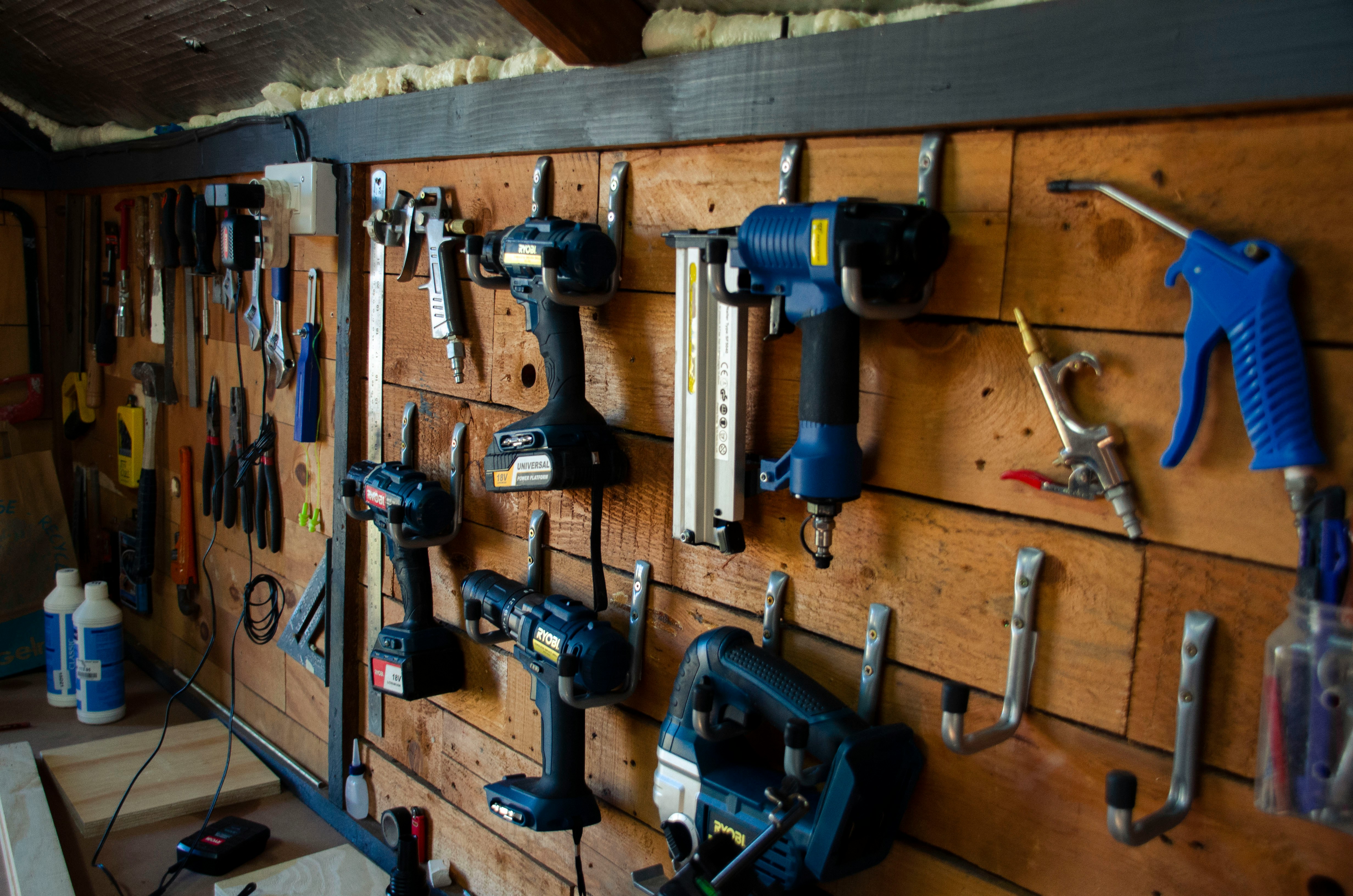
The literal workshop: Werkstatt

Bring your own (messy) data!

When I first learnt statistics, workshops followed a familiar pattern: beautifully clean datasets, clearly defined questions and methods that worked exactly (or mostly!) as expected. It was a good way to learn the basics — but it felt detached from my own research and data challenges.

Real datasets are messy. The “right” method is rarely obvious. And the biggest challenge is not running the analysis, but figuring out what to ask, how to gather, clean and transfrom, what to look out for and how to deal with the mess. These pre-stats steps were rarely the topic of traditional workshops.

As more fellow researchers asked me for methods advice, I figured there must be another way to address this. So I developed the Data Lab – Die Datenwerkstatt. Instead of going over artificial toy examples, participants brought their own datasets. Using a hands-on flipped classroom concept, we explored their challenges together: different analytical approaches and alternative ways to make sense of unexpected patterns.

The value was not just in solving participants’ individual problems, but that everyone in the room gained insight into what others were struggling with, how they approached their data, and that there are often different ways to think about a problem. Participants left with more confidence, a better understanding of their own data and a clear sense of where to go next — including seeking specialist statistical expertise at the right level of detail.

The Datenwerkstatt wasn’t about turning researchers into statisticians. It was about meeting people where they stand, helping them ask better questions, explore alternative possibilities and become more independent and critical thinkers.